Food has now been an expanding global outreach and a have created a connection between people since a long period of time. It has now led to the creation of huge impact on people with expanding globalization and by providing the guest with a luxury dining experience or rather an expensive gastronomical experience which has made it impossible for the people to resist.

A new dish is created everyday with the continuous rate of changing taste buds in people currently, has led food to be one of the most extensive, with a type of a dominating invested business in the upcoming markets but speaking the truth is that innovations in food available to us was due to the existence of traditional foods.
Traditional foods are basically foods which are eaten from generations to generations as they were created without any modernization, any processing or being packed.
Every recipe of the traditional foods showcases a deep long history about how it was been made and who was the person behind creating such extraordinary delicacies which are still currently competitive and have created a place in the menus of restaurants and hotels.
Traditional food if compared to the food being prepared in 21st Century, was harmless to people, helped them to create a healthy balanced life away from any diseases and also kept the bodies energized whereas the food consumed today is mostly harmful and has a high calorie diet making it unfit for the people.
The idea of traditional food has almost just been vanished in most parts of the world due to one of the most important examples that the people being lazy. Due to the availability of fast food arising, the rate of home cooking is depleting due to which traditional food cannot be prepared as a required quantities and time are needed but each and every country has their own traditional recipes which have been passed on from generation to generation.
Hi! My name is Akash Dave and I reside in Mumbai, India and the quantity of information knowing about traditional food in my country, I would include India in the list where most states have their own traditional recipe.
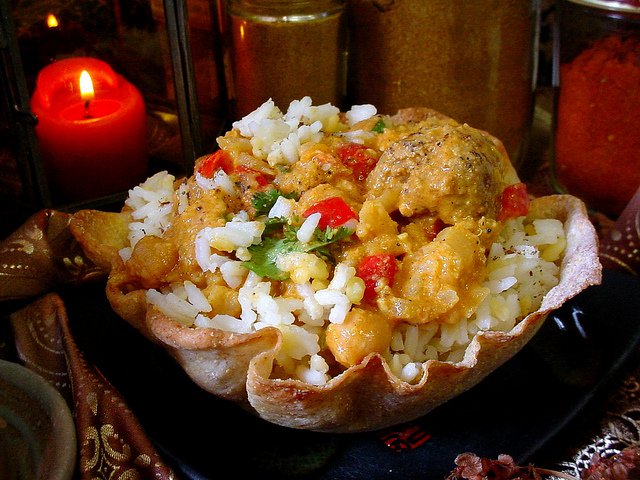
Here are some names of traditional food dishes with their origin listed below:
· MISSAL PAV(Maharashtra)
· MAKKE DI ROTI and SARSO DA SAAG(Punjab)
· KOSHA MANGSHO (West Bengal)
· DHOKLA(Gujarat)
· PONGAL (Tamil Nadu)
· PARO MANXHO(Assam)
· DHAM (Himachal Pradesh)
· BIRYANI(Telangana)
· KANYSHOI(Manipur)
These were the few examples of traditional food delicacies all over India but one of them which attracted me was PARO MANXHO of Assam.
The food is equally notable in Assam compared to the best-known ingredients from ‘TEA’. Assam is known for its seasonal rains, green fields and its population.
Not many people know about Assamese cuisine so, I came up with the idea of sharing one of the famous traditional recipe of Assam PARO MANXHO.
This particular tradition Assamese preparation containing pigeon meat combined deliciously with banana flour and is recommended during winters because it is responsible for keeping the body warm.
Scroll down for the authentic traditional recipe of Paro Manxho:
Yield: serves 4
Ingredients
Recipe-courtesy:https://www.saveur.com/article/recipes/koldilere-rondha-paro-manxo-assamese-pigeon-with-banana-flower/
· 2 tsp. cumin seeds
· 2 tsp. fennel seeds
· 1 1⁄2 tsp. black peppercorns
· 8 cloves garlic, peeled
· 1 (2") piece ginger, peeled and thinly sliced
· Kosher salt, to taste
· 1 large banana flower
· 1⁄3 cup mustard oil
· 6 green cardamom pods
· 5 whole cloves
· 2 Indian or regular bay leaves
· 1 stick cinnamon, halved
· 1 small red onion, minced
· 1 1⁄2 lb. pigeon, cut into 2" pieces, or chicken wings, halved at the joint, wing tips discarded
· 1 tsp. ground turmeric
· 1 tsp. sugar
· 5 small green Thai chilies or 3 serranoes, sliced
· 2 tbsp. ghee, melted
Instructions
· Combine cumin and fennel seeds, peppercorns, garlic, and ginger in a spice grinder; purée into a paste and set aside. Fill a bowl with cold salted water. Peel and reserve the tough outer leaves of the banana flower until you reach the tender white bulb. Quarter and thinly slice the bulb; add to bowl with salted water. Within each of the reserved leaves, remove the pale, tender flowers found inside; discard any tough purple flowers and the leaves. Mince the flowers; add to bowl with salted water. Using hands, agitate banana flower in water until clean; drain and spread out on paper towels to dry.
- Heat oil in a 12" skillet over medium-high. Cook cardamom, cloves, bay leaves, and cinnamon until fragrant, 1–2 minutes. Add onion; cook until golden, 4–6 minutes. Add reserved paste; cook until the oil separates, 2–3 minutes. Stir in pigeon, turmeric, sugar, salt, and ¾ cup water; boil. Reduce heat to medium; cook, covered, until pigeon is cooked through, about 15 minutes. Stir in reserved banana flower and the chilis; cook, covered, and stir occasionally, until banana flower is tender and pigeon is falling off the bone, 15–20 minutes more. Stir in ghee
Nice traditional recipes.. thank you
ReplyDelete